The Leader You Believe Yourself to Be

The Exercise
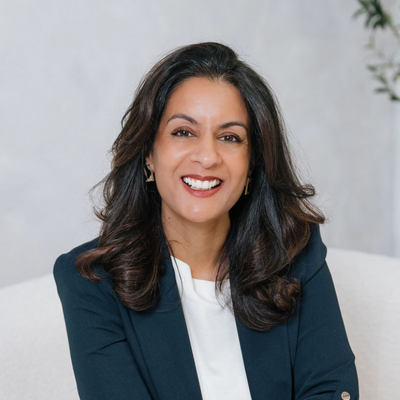
One of the most powerful leadership exercises I've ever completed involved just two simple words:
At the time, I had no idea those two words would stay with me for more than twenty years. I certainly didn't realize they would become a cornerstone of my own leadership philosophy or something I would eventually introduce to thousands of leaders around the world.
I simply knew they felt different.
Unlike many leadership exercises that focus on developing new skills or acquiring knowledge, this one challenged me to consider something much deeper:
"Who did I believe myself to be?"
Years later, I found myself asking a different question: "Why was something so simple so powerful?"
As I explored the psychology, neuroscience, coaching literature, and leadership research, I discovered that while the language surrounding "I am" statements has evolved, the underlying principle has remained remarkably consistent.
Leadership doesn't begin with what we do. It begins with who we believe ourselves to be.
A Practice That Has Stood the Test of Time
The practice of intentionally shaping our internal dialogue is far from new. In the early twentieth century, French psychologist and pharmacist Émile Coué introduced the concept of conscious autosuggestion.
"Every day, in every way, I am getting better and better"This demonstrated how repeated thoughts could influence attitude, confidence, and behavior.
Over the decades, similar practices found their way into executive coaching, leadership development, elite sport, military training, and personal development. Long before affirmations became a popular topic on social media, many respected leadership programs were encouraging participants to intentionally define the leader they wanted to become.
I was first introduced to this exercise while attending a leadership development program within the NHS in the early 2000s. It wasn't presented as positive thinking or wishful optimism. It was presented as a leadership practice, a way of becoming intentional about the beliefs shaping how we led ourselves and others.
That experience stayed with me.
As my own coaching practice evolved and I later discovered the work of Dr. Wayne Dyer, I found another perspective that reinforced what I had already experienced firsthand. The words we consistently use to describe ourselves matter.
Not because they magically change our lives.
But because they influence how we see ourselves, how we show up, and ultimately how we lead.
Why This Matters
What fascinates me is that modern research is increasingly supporting what many experienced leadership practitioners have been observing for decades. The beliefs we hold about ourselves don't simply influence how we feel. They influence how we think, how we interpret situations, the decisions we make, the risks we're willing to take, and the way others experience our leadership.
The Power of Beliefs
Carol Dweck's pioneering research on Growth Mindset demonstrated that the beliefs we hold about our abilities significantly influence our motivation, resilience, learning, and performance. When we believe growth is possible, we approach challenges differently. We become more willing to learn, recover from setbacks, and persist through difficulty.
In other words, our beliefs don't simply reflect our reality. They influence how we respond to it.
The Mind Can Change
Research in Cognitive Behavioral Therapy (CBT) has consistently shown that identifying and reframing unhelpful patterns of thinking can create meaningful changes in emotions and behavior.
At the same time, advances in neuroscience have demonstrated the brain's remarkable capacity for neuroplasticity, its ability to adapt and reorganize throughout life through learning, repeated experience, and intentional practice.
Our brains are not fixed.
Neither are many of the beliefs we carry.
Strengthening the Self
Research into Self-Affirmation Theory, first proposed by Claude Steele and expanded by researchers including Geoffrey Cohen and David Sherman, has shown that reflecting on personally meaningful values and strengths can reduce defensiveness, improve resilience under stress, increase openness to feedback, and support learning and growth.
This doesn't suggest that simply repeating positive phrases changes who we are. Rather, it reminds us that a secure and healthy sense of self provides a stronger foundation for growth.
Leadership Begins with Identity
Increasingly, leadership researchers argue that sustainable leadership development begins with identity, not simply competence. Before we consistently change what we do, we often need to examine who we believe ourselves to be.
That idea sits at the heart of coaching.
And it sits at the heart of LeadIN™.
History is full of extraordinary performers who intentionally shaped the way they spoke to themselves.
Muhammad Ali famously declared,
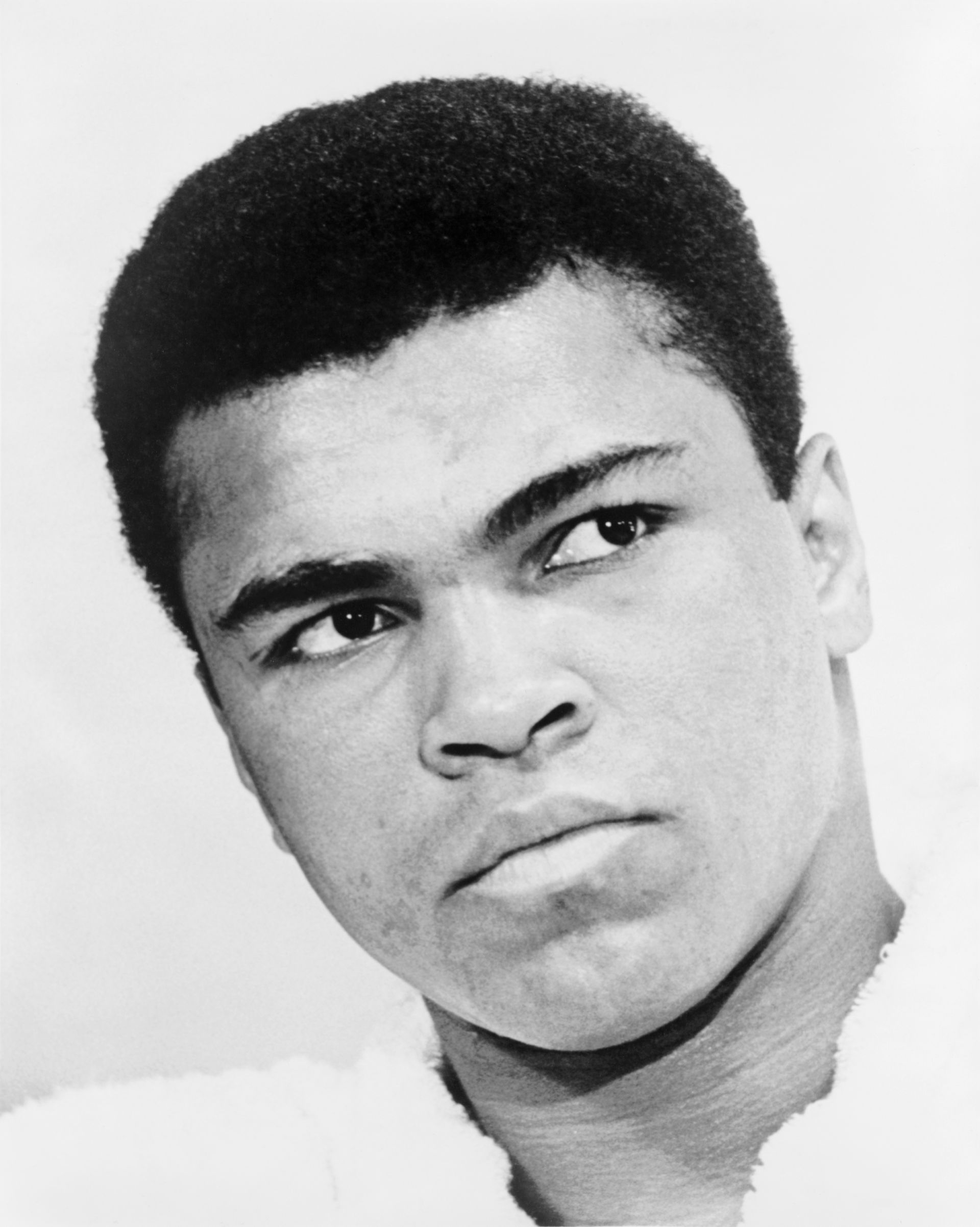
"I am the greatest."
Muhammad Ali
Perhaps the most remarkable part of that statement is that he was saying it long before he became heavyweight champion of the world.
To many, it sounded like arrogance.
To Ali, it was identity.
He understood that before the world would believe in him, he first needed to believe in himself.
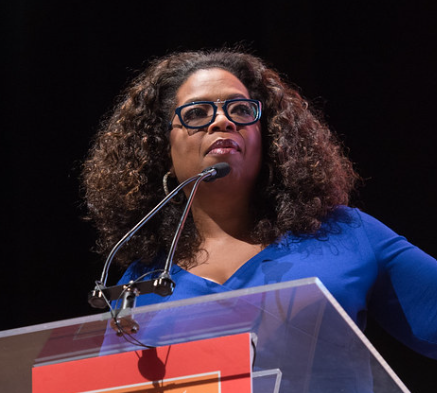
Oprah Winfrey has spoken openly about the importance of self-belief and intentional thinking throughout her career, describing how developing a stronger internal narrative helped her move beyond adversity and into authentic leadership.

Serena Williams has frequently discussed the role of positive self-talk, confidence, and visualization in preparing herself to perform under immense pressure.

Richard Branson has consistently emphasized the importance of optimism, mindset, and believing in your own potential.
Although each approached it differently, they all demonstrated a common principle:
The way we see ourselves influences the way we perform.
The Leader You Believe Yourself to Be
Every leader carries an internal story.
Some of those stories empower us.
Others quietly limit us.
Whether spoken aloud or kept entirely to ourselves, these beliefs quietly influence our behavior every day.
They shape how we communicate.
How we make decisions.
How we respond to setbacks.
How we build relationships.
And ultimately, how we lead.
This is why coaching begins with awareness.
Before we can intentionally change our leadership, we first need to understand the beliefs that are shaping it.
Only then can we decide whether those beliefs still serve us.
More Than Positive Affirmations
Within LeadIN™, I am statements are not used as wishful thinking or unrealistic affirmations.
They are identity statements.
They invite us to pause and ask:
Who do I believe I am?
Because leadership is not built through words alone.
It is built through awareness.
Reflection.
Intentional action.
Repeated experience.
And the gradual accumulation of evidence that reinforces the leader we are becoming.
The words "I am" are simply the starting point. The real transformation comes from consistently living in alignment with them.
Perhaps the most important leadership question is not:
What kind of leader do I want to become?
It's this:
Who do I already believe myself to be?
Because what you believe about yourself becomes the foundation for how you lead others.